Can a Deep Dental Cleaning Treat Gum Disease?
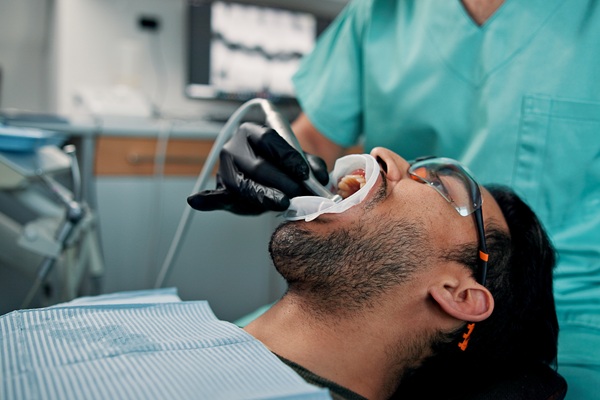
Deep dental cleaning is a way to treat severe cases of gum disease. However, it is not always necessary for all cases of gum disease. By understanding when and why a dentist recommends a deep dental cleaning, you can feel more comfortable throughout the consultation and treatment process.
A review of deep dental cleaning for gum disease treatment
Every dentist utilizes deep dental cleaning differently and may have their own process for performing their procedure. However, there are commonalities to become familiar with. The following is a complete review of deep dental cleaning to treat gingivitis and periodontitis.
What is a deep dental cleaning?
A deep dental cleaning, also called scaling and root planing, is a relatively common in-office dental procedure that involves removing the plaque and tartar buildup beneath the gum line. Regular dental cleaning does not clean below the gum line, but rather only the surface of teeth and along the gum line. A deep dental cleaning is a method of treating a severe type of gum disease known as periodontitis. The procedure can be performed by a dentist or a dental hygienist.
How does a deep dental cleaning work?
A numbing agent is typically applied before a deep dental cleaning. This is to ensure that the procedure does not cause excessive discomfort. The dental professional then scrapes away the plaque and tartar on the surface of teeth and below the gum line. This should not cause much discomfort, although the patient may feel vibrations on their teeth. The processing of removing the plaque and tartar beneath the gum line is known as “scaling.” The last step is “root planing,” which involves smoothing the tooth roots to allow the gums to reattach.
When does a dentist recommend a deep dental cleaning?
Dentists recommend a deep dental cleaning for progressive and more severe cases of gum disease. There are two main types of gum disease, which are gingivitis and periodontitis. Although both are concerning, generally, only periodontitis requires a deep dental cleaning. Specifically, the dentist looks for the depth of gum pockets and bone loss in the jaw. If the gum pockets are 4 millimeters or greater, then a deep dental cleaning is likely necessary.
How can I prevent gum disease in the long term?
A deep dental cleaning can address periodontitis, but it is important to practice good oral hygiene to prevent the need for additional deep cleanings in the future. Most notably, be sure to brush, floss and use mouthwash as directed, along with visiting the dentist for a check-ups and regular dental cleanings once every four to six months. Limiting the intake of foods and drinks that are high in sugar and other carbohydrates is also encouraged.
Talk to our practice and learn more about deep dental cleaning
Deep dental cleaning is often necessary to treat periodontitis and prevent larger issues such as severe bone loss and tooth loss. If you have symptoms of periodontal disease, then contact our team by phone or email today to schedule a convenient time for a visit.
Request an appointment here: https://www.hemingwaydds.com or call Julie A. Hemingway, D.D.S. at (805) 409-2358 for an appointment in our Santa Barbara office.
Check out what others are saying about our dental services on Yelp: Root Scaling and Planing in Santa Barbara, CA.
Related Posts
Knowing when to seek professional gum disease treatment helps preserve gum health, stop bone loss, and protect natural teeth. Early attention reduces inflammation before it spreads to the supporting bone, affecting chewing comfort. Gum disease, also called periodontal disease, starts when plaque hardens into tartar and irritates the gums. Over time, pockets form between the…
Periodontal disease is an advanced stage of gum disease, which essentially means that the gums are extremely infected. Periodontal disease presents itself in many ways, ranging from swollen gums to excessive bleeding. Unfortunately, many individuals suffer from gum infections every year, which makes it necessary for them to undergo treatment in order to restore good…
A preventive dentist focuses on stopping problems before they start. By pairing routine checkups with good daily habits, patients protect enamel, gums, and long-term oral function. Seeing a preventive dentist helps catch early signs of decay or gum inflammation, guide at-home care, and plan simple treatments that preserve natural tooth structure. Preventive care also supports…
Using preventive dentistry to keep your teeth and gums healthy may be difficult at times. It feels better and costs less to practice prevention rather than get the cure. Many dental treatments for saving teeth are expensive and labor-intensive. Doing your part in preserving your teeth can also save your general health. If you want…